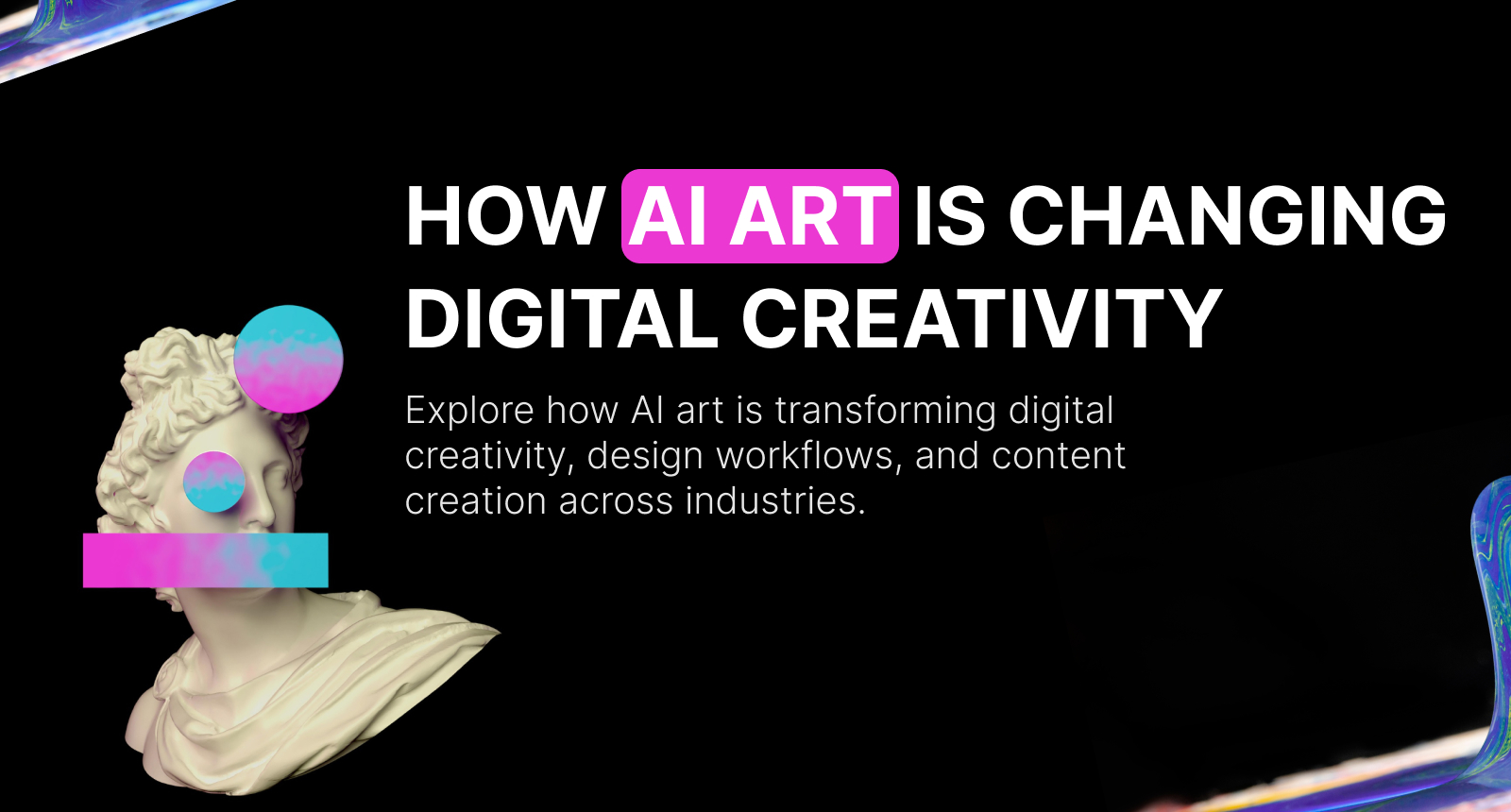
Artificial intelligence is reshaping how people create digital content. From illustrations to marketing visuals, AI tools are helping creators move faster and experiment with new styles without advanced technical skills.
AI art is no longer experimental. It is becoming part of everyday creative workflows for designers, marketers, and content creators.
What Is AI Art
AI art is visual content generated using text instructions. Instead of drawing manually, users describe what they want, and the system generates an image based on patterns learned from large datasets.
Popular tools like OpenAI, Midjourney, and Stability AI have made AI image generation accessible to beginners and professionals.
Models such as DALL·E and Stable Diffusion allow users to create artwork in seconds.
Why AI Art Is Growing So Fast
There are three main reasons AI art is expanding quickly.
Speed
Design concepts that once took hours can now be created in minutes.
Accessibility
Anyone can generate visuals without professional design experience.
Creative experimentation
Creators can test multiple styles instantly.
This shift is especially visible in digital marketing, social media content, and concept design.
Examples of AI Art Styles
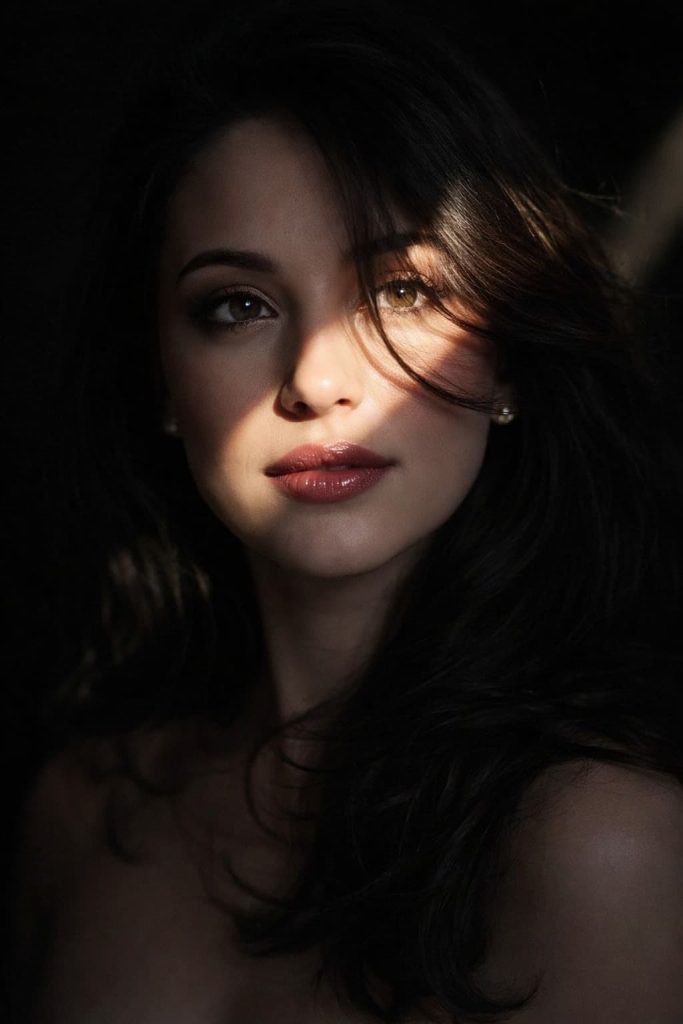
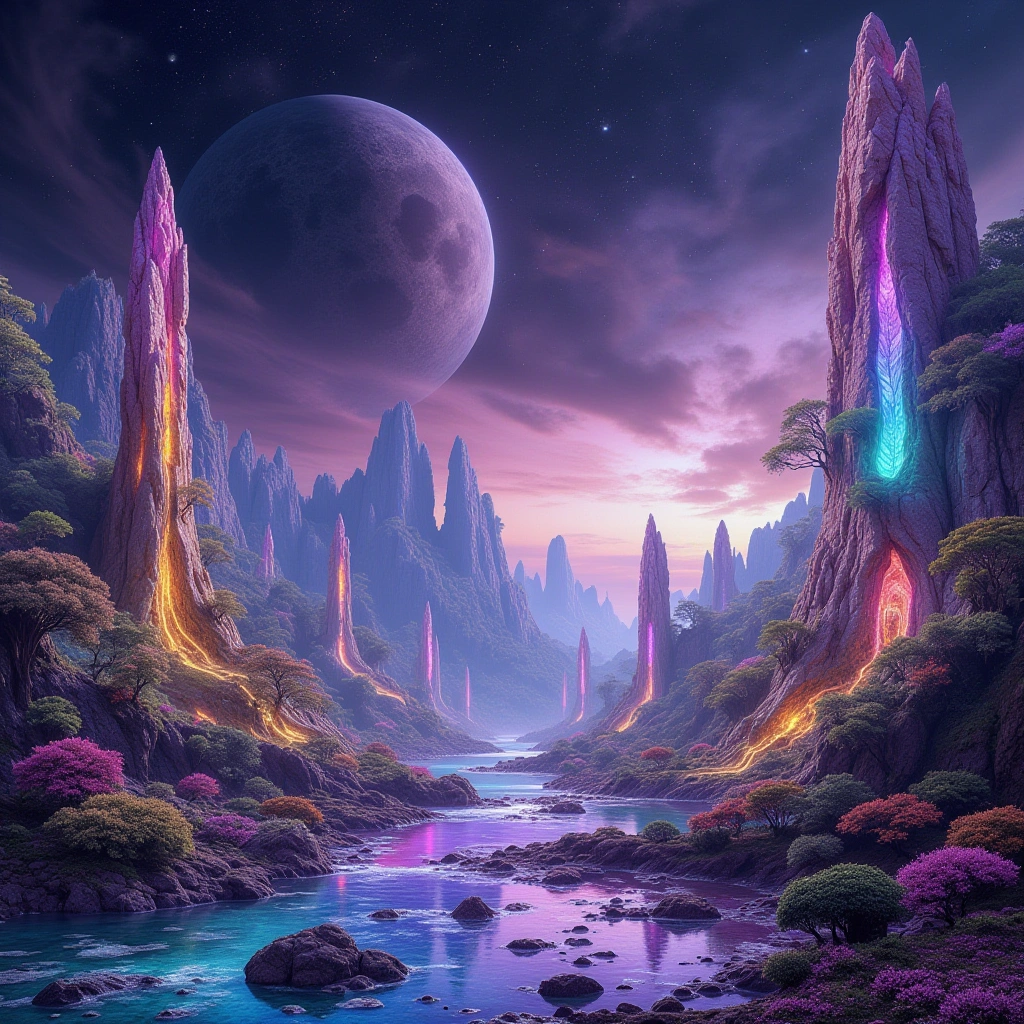
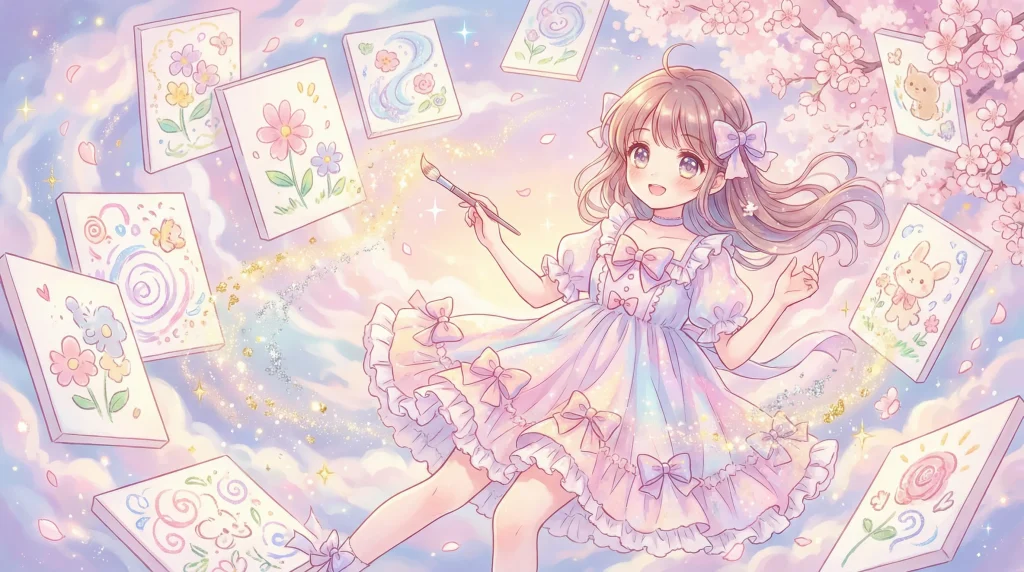
AI tools support many visual styles. Some of the most popular include:
- cinematic photography style
- anime illustrations
- fantasy environments
- abstract digital artwork
These styles allow creators to build unique visual identities faster than traditional workflows.
How Designers Are Using AI Today
AI is not replacing designers. Instead, it is becoming part of the creative process.
Common use cases include:
- concept generation
- marketing visuals
- social media graphics
- website illustrations
- product mockups
Many designers generate multiple ideas with AI first, then refine the final version manually.
Challenges and Limitations
Despite fast growth, AI art still has limitations.
- inconsistent details in complex scenes
- copyright discussions around generated content
- dependence on prompt quality
Understanding how to write better prompts helps reduce most quality issues.
The Future of AI in Digital Creativity
AI will continue to influence design workflows. Faster tools, better realism, and improved editing controls are already changing how content is produced. Creators who learn prompt writing and visual direction early will have a strong advantage as AI tools become standard in digital production.
AI art is transforming digital creativity by making visual production faster and more accessible. Whether for design, marketing, or content creation, AI tools are becoming an essential part of modern creative work.
Learning how these tools function today will help creators stay competitive in the evolving digital landscape.